
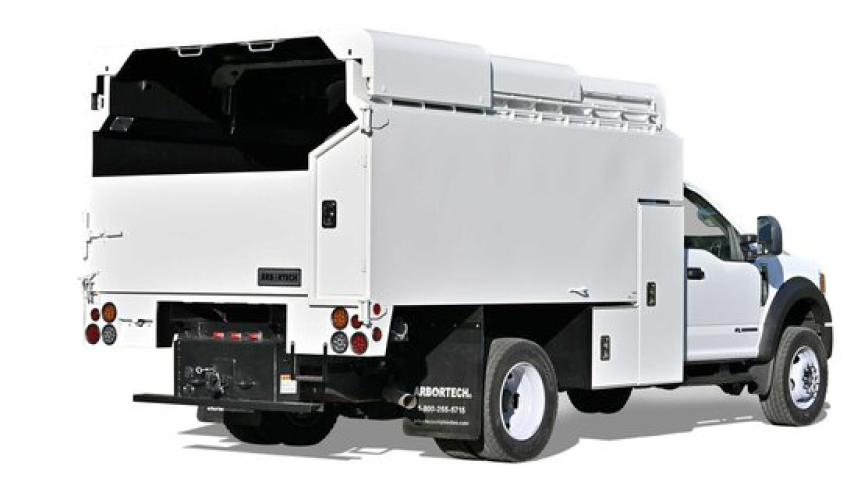
Keeping your chip trucks DOT compliant is crucial for safety and to avoid preventable accidents. There are simple steps you can take that will have a great impact on your chip trucks remaining DOT compliant. If you are operating a non-compliant truck, you risk facing penalties, a lowered safety rating and even being named liable in the event of an accident. Help keep your workers and others on the road safe by maintaining DOT compliance for your chip trucks. When your chip truck is DOT compliant, you can remain on the road, on the job and continue making money.
DOT Compliance Standards
Chip trucks must meet several standards from the Department of Transportation (DOT) to be considered compliant, roadworthy and safe for operation. Some of these standards include having proper lighting and reflectors, functioning braking systems, secure load containment and compliant weight distribution. Additionally, chip trucks must undergo additional inspections on a regular basis, display correct vehicle identification and maintain the required documentation, such as driver logs and inspection reports. If the chip truck is used in interstate commerce, it also must meet Federal Motor Carrier Safety Administration (FMCSA) regulations in addition to DOT regulations. Although many DOT regulations are federally mandated, individual states may have additional requirements or enforce specific standards. For example, some states may have different weight limits for secondary roads, vehicle emissions standards or safety equipment expectations. To ensure they are staying compliant, it is good practice for operators to become familiar with both federal DOT requirements and any specific state-level standards for the states where their vehicles operate. This way, you will not need to question if your chip truck meets DOT compliance standards when entering another state.
Safety Benefits of DOT Compliance
Complying with DOT standards is more than just additional work for chip truck owners. It is vital for ensuring your chip truck is always operating safely. DOT compliance significantly lowers the risk of accidents caused by issues like mechanical failure, improper loading or limited visibility, which are often preventable. By conducting regular inspections and adhering to safety standards, it helps to protect drivers, crew members who are working around the truck and others on the road. There are many components on a chip truck that can contribute to an accident if not properly handled. For example, maintaining working brake lights and ensuring chip box doors are secure can prevent accidents during loading, unloading and travel. Taking a few extra minutes to inspect the truck can go a long way in preventing a serious issue. Staying DOT compliant can help build your company’s reputation. Customers are more likely to trust a company that is committed to safety, adheres to regulatory compliance and does not cut corners. Not only does staying DOT compliant keep your workers and equipment safe, but it also positions your company as trustworthy and willing to follow DOT compliance rules. Overall, there are many benefits to staying DOT compliant.
Consequences of DOT Non-Compliance
There are a range of consequences for chip trucks that are DOT non-compliant, which stretches from minor to substantial. This can include fines, out-of-service orders, an increase in insurance premiums and even being named legally liable in an accident. If a company has repeated violations, it can damage their safety rating, which impacts their ability to operate or bid for contracts. Most important of all, a non-compliant chip truck increases the risk of accidents, injuries and equipment damage. It may seem like a small task to overlook, but the risk is not worth the consequences. All it takes is one incident to have a lasting impact on your company. Make sure your chip truck stays DOT compliant for the safety of your workers, your equipment and everyone on the road.
Steps Operators Can Take to Stay DOT Compliant
Maintaining DOT compliance doesn’t have to be overwhelming. With a few consistent habits and a proactive approach, your chip trucks can stay safe, road-ready and fully compliant. Here are the key steps operators should follow:
1. Perform Routine Inspections
Check your trucks regularly for issues with brakes, tires, lights, mirrors and emergency equipment. Spotting problems early helps prevent violations and ensures safe operation.
2. Keep Service and Maintenance Up to Date
Regular oil changes, fluid checks and part replacements aren’t just good practice – they’re essential for staying compliant and extending the life of your equipment.
3. Secure and Inspect Each Load
Before hitting the road, make sure your chip load is properly contained and that there are no signs of overloading or unsecured parts.
4. Maintain Accurate Records
Keep detailed maintenance logs, inspection forms and service histories for every truck. This organized documentation is a strong line of defense during audits or roadside inspections.
5. Carry Required Documentation
Ensure drivers have easy access to registration papers, DOT inspection reports and any relevant credentials when operating the vehicle.
6. Train and Certify Drivers
All operators should have the proper licenses and any required endorsements. Consider enrolling team members in safety or compliance training to reinforce best practices.
7. Conduct Internal Compliance Audits
Periodic reviews of your fleet’s compliance status help catch gaps early and strengthen long-term safety performance.
8. Stay Informed About Changing Regulations
DOT requirements can evolve, and they may vary from state to state. Attend industry training, workshops or seminars to stay current on any updates.
By following these steps, your team can avoid costly mistakes while building a culture of safety and professionalism – both on the road and on the job.
How Operators Prove DOT Compliance
Operators can prove their chip trucks meet DOT compliance standards in several ways. Compliance can be demonstrated through documented vehicle inspections, including pre-trip as well as annual inspections. Maintenance logs and driver qualification files can also prove compliance. Having a valid USDOT number, up to date registration and displaying any required decals or markings are another part of proving DOT compliance. During a roadside inspection, the officer will check this documentation, as well as the condition of the vehicle to determine if the chip truck meets DOT standards.
How ARBORTECH Supports DOT Compliance Adherence
ARBORTECH designs and manufactures our chip trucks with DOT compliance in mind from the very start. Our trucks are engineered to meet or exceed federal safety standards with features such as compliant lighting packages, load containment systems, reflective safety markings and proper weight distribution. Additionally, we offer maintenance support and guidance to help customers keep their vehicles inspection-ready and fully compliant throughout their service life. When you purchase a chip truck from ARBORTECH, you can trust it will be delivered already meeting DOT compliance standards.
ARBORTECH is Your Source for DOT Compliant Chip Trucks
ARBORTECH manufactures high-quality chip trucks that adhere to DOT compliance standards. We offer several models to choose from that best fit your needs. At ARBORTECH, we are your partner for safe, DOT compliant chip trucks that will keep you on the road and on the job. Contact us today to learn more about our forestry chip trucks and to receive a quote.