
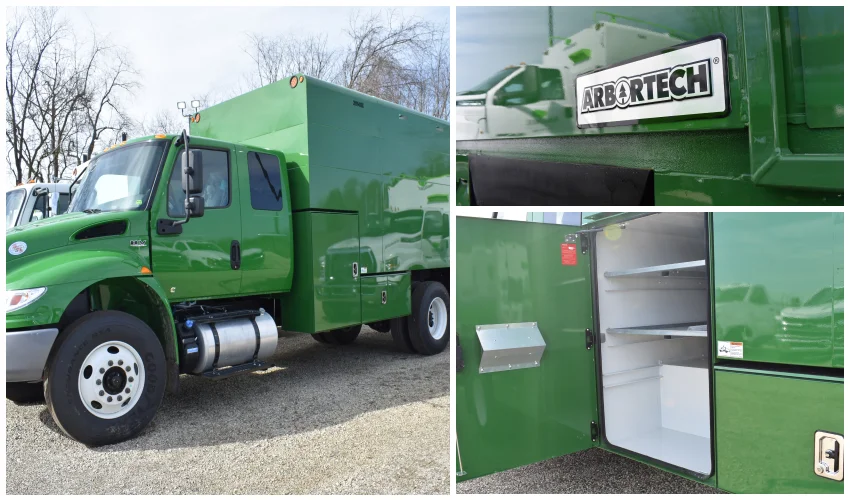
Severe weather events can quickly overwhelm tree care companies with an influx of urgent work to clear storm debris. Downed trees, scattered limbs, and hazardous conditions turn routine operations into high-pressure response efforts.
For tree care companies and arborists, storm cleanup operations bring both opportunity and complexity. Prepared tree care companies can take on more work and complete it efficiently. Those that are not often struggle with equipment limitations, disorganized crews, and lost time.
Understanding how to prepare for and manage post-storm cleanup operations is key to staying productive and competitive.
How Do Tree Care Companies Prepare for Storm Cleanup?
Preparation comes down to three core areas: equipment readiness, debris logistics, and crew organization. Tree care companies that inspect their trucks in advance, plan for high debris volume, and assign clear roles to crews can respond faster and complete more work during storm cleanup operations.
Why Storm Cleanup Creates Both Challenges and Opportunities
Storm events create a sudden spike in demand for tree care services, especially for storm debris removal. While this opens the door for increased revenue, it also introduces operational challenges that can slow crews down.
Common challenges include:
- High volumes of debris across multiple job sites
- Increased pressure to respond quickly
- Greater strain on trucks and equipment
- Complex coordination between crews and locations
Arborists and tree care companies that plan ahead are better positioned to handle storm cleanup efficiently while maximizing job volume.
Preparing Equipment Before Storm Cleanup Operations
Preparation directly impacts how well your crews perform once storm work begins. Equipment failures during peak demand can quickly bring operations to a halt.
What Equipment Is Needed for Storm Debris Removal?
Storm cleanup requires reliable, high-capacity equipment that arborists and tree care companies can depend on during continuous use and heavy loads. From chipper trucks to chippers and safety gear, having the right setup in place ensures crews can work efficiently without unnecessary downtime.
Inspecting Chip Trucks, Chippers, and Safety Equipment
Before storm season, inspect all critical equipment, including:
- Chipper truck bodies for wear and structural integrity
- Hydraulic systems and dump mechanisms
- Chippers and feeding systems
- Lighting, reflectors, and safety features
Reliable equipment ensures crews can stay productive without unexpected downtime.
Ensuring You Have Enough Hauling Capacity
Storm debris removal produces far more material than standard jobs, especially during large-scale storm damage cleanup efforts. If your trucks cannot keep up, crews lose time making frequent dump runs instead of clearing job sites.
Evaluate whether your fleet can:
- Handle increased debris volume
- Operate efficiently during longer workdays
- Maintain performance under heavy use
Hauling capacity often becomes the limiting factor in how much work your team can complete in a day.
Planning Debris Logistics for Post-Storm Work
One of the biggest operational challenges during storm cleanup and storm debris removal is managing where debris goes and how it gets there.
Managing Chip Volume and Dump Site Planning
Without a plan for post-storm debris, crews can lose hours navigating between job sites and disposal locations.
Before storm response begins:
- Identify dump sites in advance
- Map efficient hauling routes
- Coordinate with municipalities or staging locations
A clear plan reduces confusion and keeps crews focused on clearing debris.
Reducing Time Lost to Dump Trips
Every dump run takes time away from productive work. When crews are constantly leaving job sites, daily output drops.
Improving hauling efficiency allows teams to:
- Stay on site longer
- Complete more jobs per day
- Respond faster to new calls
Organizing Crews for High Volume Cleanup Work
Storm response and post-storm cleanup operations require a more structured approach than everyday tree service work.
Assigning Clear Roles on Each Job Site
Defined roles help crews move faster and operate more safely. Typical responsibilities include:
- Cutting and clearing debris
- Feeding chippers
- Managing traffic and safety
- Operating trucks and coordinating hauling
- When everyone knows their role, work flows more efficiently.
Managing Multiple Job Sites at Once
During major events, it is common to have several active jobs happening at the same time.
To stay organized:
- Prioritize jobs based on urgency
- Assign a lead for each crew
- Maintain consistent communication across teams
Strong coordination helps prevent delays and keeps work moving across all sites.
Safety Considerations During Storm Cleanup
Storm environments are unpredictable, and risks increase during storm damage cleanup and debris removal operations.
Traffic Hazards
Many jobs take place along roads or in active areas. Proper signage, visibility, and traffic control are essential for protecting both crews and the public.
Unstable Trees and Debris
Storm-damaged trees and debris piles can shift without warning. Crews should approach each situation carefully and assess conditions before beginning work.
Equipment Visibility and Lighting
Low visibility conditions are common during storm response, especially during early starts or extended work hours.
Trucks should be equipped with:
- High visibility lighting
- Reflective markings
- Functional work lights
How Chipper Truck Bodies Impact Storm Productivity
As debris volume increases during storm cleanup operations and storm debris removal, chipper truck body performance quickly becomes one of the biggest drivers of overall efficiency. When crews are dealing with heavy, continuous loads, the ability to haul more material, operate reliably, and minimize downtime directly impacts how much work can be completed in a day.
Capacity
Chipper truck bodies for storm cleanup must support efficiency. Higher capacity chip bodies allow crews to carry more material per load, reducing how often they need to leave the job site to dump debris.
This results in:
- Faster turnaround times
- More jobs completed per day
- Better use of labor and fuel
Durability
Storm cleanup puts equipment under constant strain. Truck bodies need to handle heavy loads, repeated use, and harsh conditions without failing.
Well-built chip bodies help crews stay productive throughout demanding cleanup operations.
Key Takeaways for Storm Cleanup Operations
- Preparation before the storm directly impacts productivity during cleanup
- High-capacity chip trucks reduce dump trips and increase daily output
- Clear crew roles improve efficiency and safety on every job site
- Planning debris logistics ahead of time prevents costly delays
- Reliable, durable equipment keeps crews working without interruption
Plan Ahead to Stay Efficient During Storm Cleanup
Storm cleanup operations are unpredictable, but tree care companies do not have to rely on reactive responses. The companies that perform best during high-demand periods are the ones that prepare their equipment, crews, and logistics ahead of time.
When your trucks can handle higher debris volumes, your crews are clearly organized, and your workflow is dialed in, you spend less time reacting and more time completing jobs.
That efficiency adds up quickly. More jobs completed per day, less downtime, and a stronger reputation when customers need you most.
Move more debris, reduce dump trips, and keep crews productive. Contact us to discuss which chip truck bodies will best support your storm cleanup operations.